Adding the instrument rating to your license will provide you with more opportunities and advantages in your career in aviation!
Instrument Rating refers to the qualifications that a pilot must have in order to fly under instrument flight rules (IFR). With the addition of this rating, excel and extend your journey in Aviation to fly through cloudy skies!
The FAA Instrument Rating – IR(A) is a qualification that extends the privileges of PPL(A) and allows a pilot to fly according to Instrument Flight Rules (IFR) with a minimum decision height for a landing of 200 feet. Once you complete your Instrument Rating training, you will get your IR/SE(A) qualification added to your FAA Private Pilot License – PPL(A).
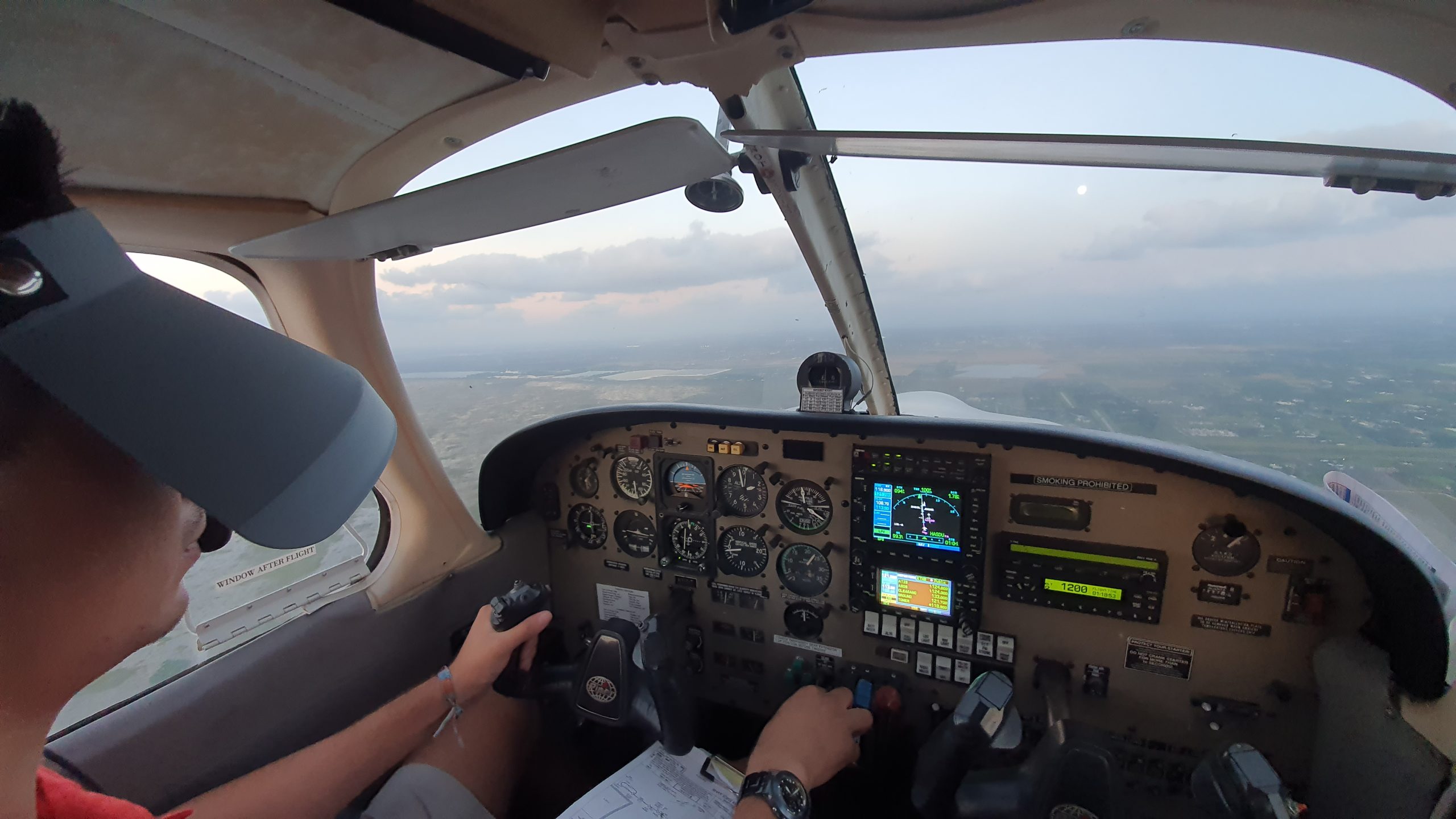
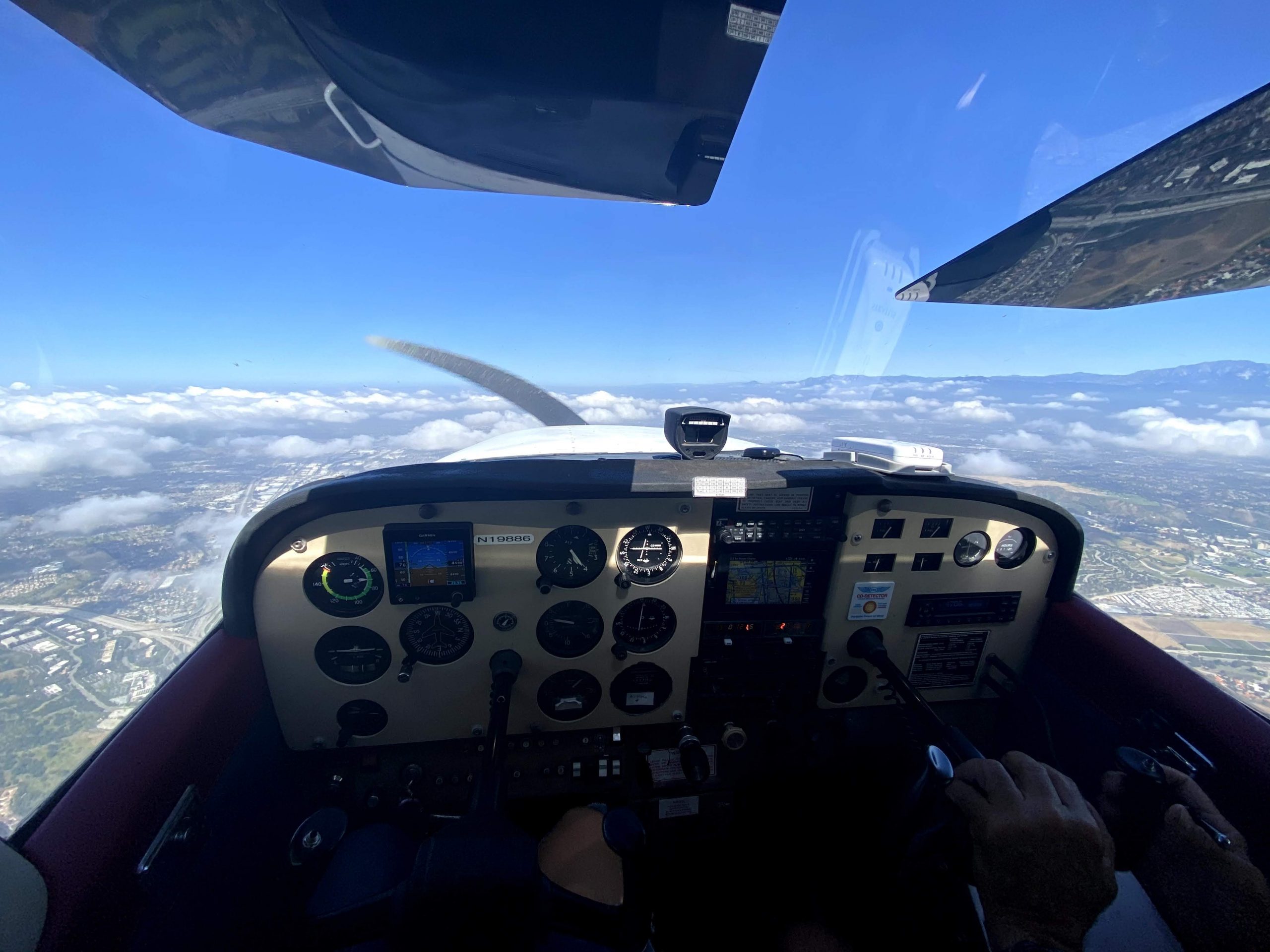
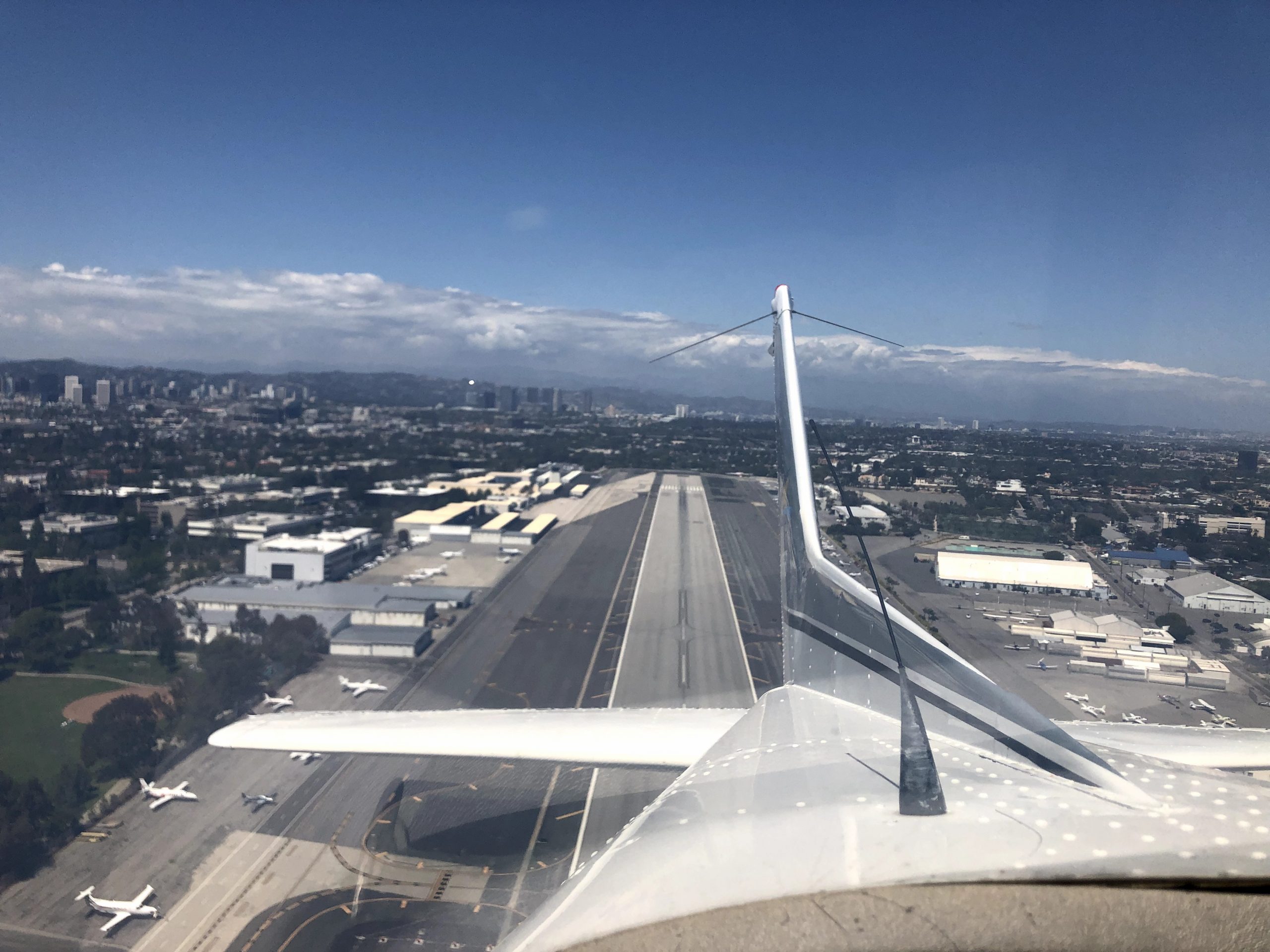
Theoretical instruction is conducted simultaneously with flight training.
Students can choose between two flexible options for completing their ground school requirements:
To obtain your Instrument Rating, you must demonstrate your theoretical knowledge by passing a written test.
Training takes place in single-engine aircraft equipped for IFR or Multi-Engine aircraft (if applicable).
Structured training under FAA Part 141 regulations:
Flexible training under FAA Part 61 regulations:
The training program is divided into three stages. Each stage is designed to progressively build your skills and knowledge:
Each stage concludes with a stage check exam to ensure you have obtained the necessary aeronautical skills and experience required for the Instrument Rating certificate.
The culmination of your training is the Check Ride. This final aeronautical knowledge and practical test is taken at the end of all training.
It consists of:
Success: Passing this exam officially adds the Instrument Rating to your pilot license!
You have the unique opportunity to complete your entire theoretical training from the comfort of your home, with our LIVE online classes. Afterward, you shall come to the school to carry out the flight training portion of your course.
Experience for yourself. Schedule a discovery flight and gain insight as to what it's like to be a pilot!
Take A Discovery FlightExplore our other available courses to continue your aviation journey

The theoretical training is conducted via Live Broadcasted classrooms or in-person classes.
More Details →
The Commercial Pilot License training is usually one of the last steps in becoming a professional pilot.
More Details →
Many pilots wishing to enter professional aviation become Flight Instructors to gain necessary experience.
More Details →Contact with our Flight Training Consultants to learn more about our Instrument Rating program and start your journey to flying in all weather conditions.
Apply now